
Monthly Solar Geoengineering Updates (November'2025)
Nov at a glance: From the first U.S. stratospheric-cooling patent to Global South funding, cautious UK–EU stances, tipping-point modeling & a surge in chemtrail chatter, SRM captured global attention

Amid chemtrail myths and climate confusion, we deliver credible SRM news you can trust. Subscribe to stay informed and support independent reporting through a donation.
Follow us on:
Twitter | Bluesky | LinkedIn | Google Group | Podcast

TOP 10 SRM UPDATES FROM NOVEMBER 2025
Make Sunsets Secures First U.S. Patent for Stratospheric Cooling Technology
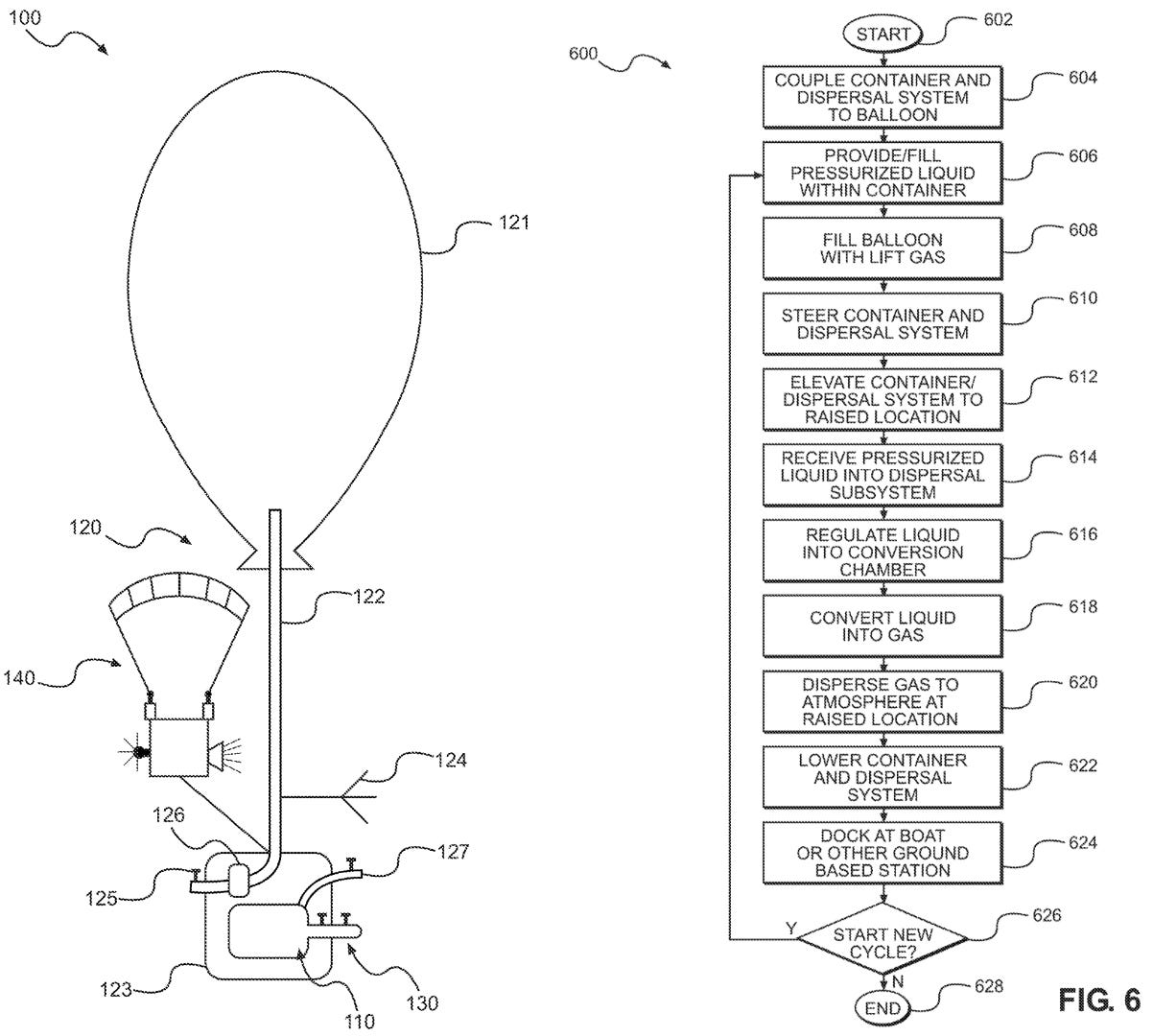
Make Sunsets announced it has been awarded its first U.S. patent and said in a blog post that it plans to use the legal protection not to restrict others but to openly license the technology, granting irrevocable rights to any entity conducting under one ton of annual stratospheric deployment. The patent covers a self-contained balloon-based system that lifts a refillable sulfur-dioxide container to high altitudes, converts the liquid into gas, and disperses it to form reflective sulfate aerosols. With automated pressure controls, heating, steering thrusters, and multi-station operations, the system enables repeated, controlled releases intended to reduce incoming solar radiation.
Climate Scientists Skeptical of SRM, Support Research over Deployment
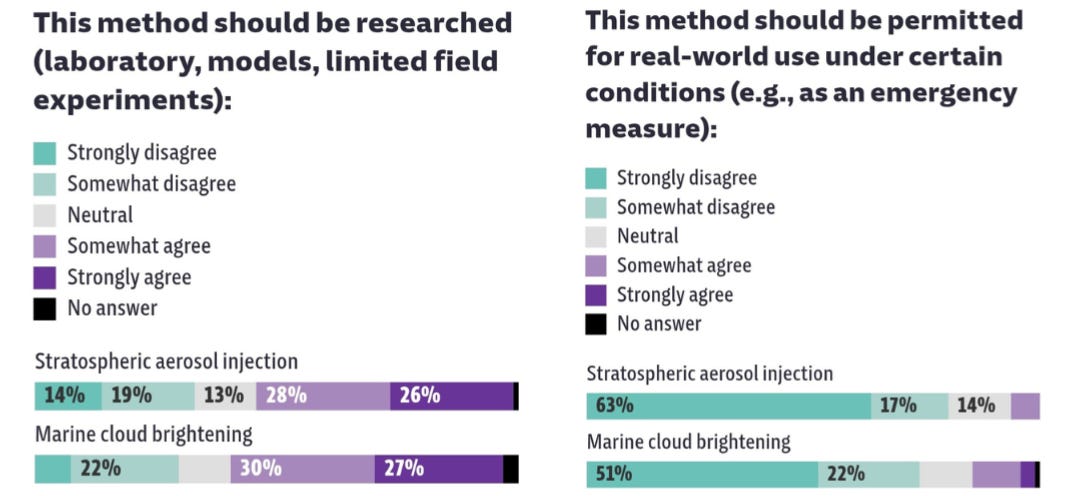
German newspaper Süddeutsche Zeitung conducted a survey of approximately 300 climate scientists, including 12 involved in SRM research, and found that only 16% consider SRM a potentially meaningful component of climate risk management. Just 6% support using sulphur-based solar geoengineering (SAI) as climate policy, while 14% support marine cloud brightening. A majority of 54% favor further research or limited field trials for SAI, and 57% support research on MCB. Meanwhile, 75% warn that geoengineering could undermine ambitious CO₂-reduction goals.
UK Science Academy Sees Promise in SRM, but Not as Sole Climate Fix
The Royal Society published an updated briefing that finds that Solar Radiation Modification, mainly Stratospheric Aerosol Injection and Marine Cloud Brightening, could lower global‑average temperatures if deployed globally and coordinated. However, it cautions SRM only “masks” warming and cannot reverse greenhouse‑gas driven climate change, leaves issues like ocean acidification unaddressed, and carries major uncertainties, especially regarding regional rainfall, long‑term commitment, and termination risks.
2025 London Convention/London Protocol Statement on Marine Geoengineering
Parties to the London Convention and London Protocol (LC 47 / LP 20) reiterated a precautionary approach to marine geoengineering (ocean alkalinity enhancement, ocean sinking of biomass, marine surface albedo enhancement & marine cloud brightening), warning that growing ocean-based carbon-removal and solar-reflection efforts could harm marine ecosystems.
They re-established an intersessional correspondence group to clarify treaty applications, refine priority techniques, and guide assessment frameworks before any future deployment, distinguishing “illegitimate” activities from “legitimate” noncommercial research, which is defined as research “where economic interests do not influence the design, conduct, or outcome of the proposed activity and no financial or economic gain arises directly from the experiment or its outcomes.”

Effects of SAI on Crop Health and Productivity
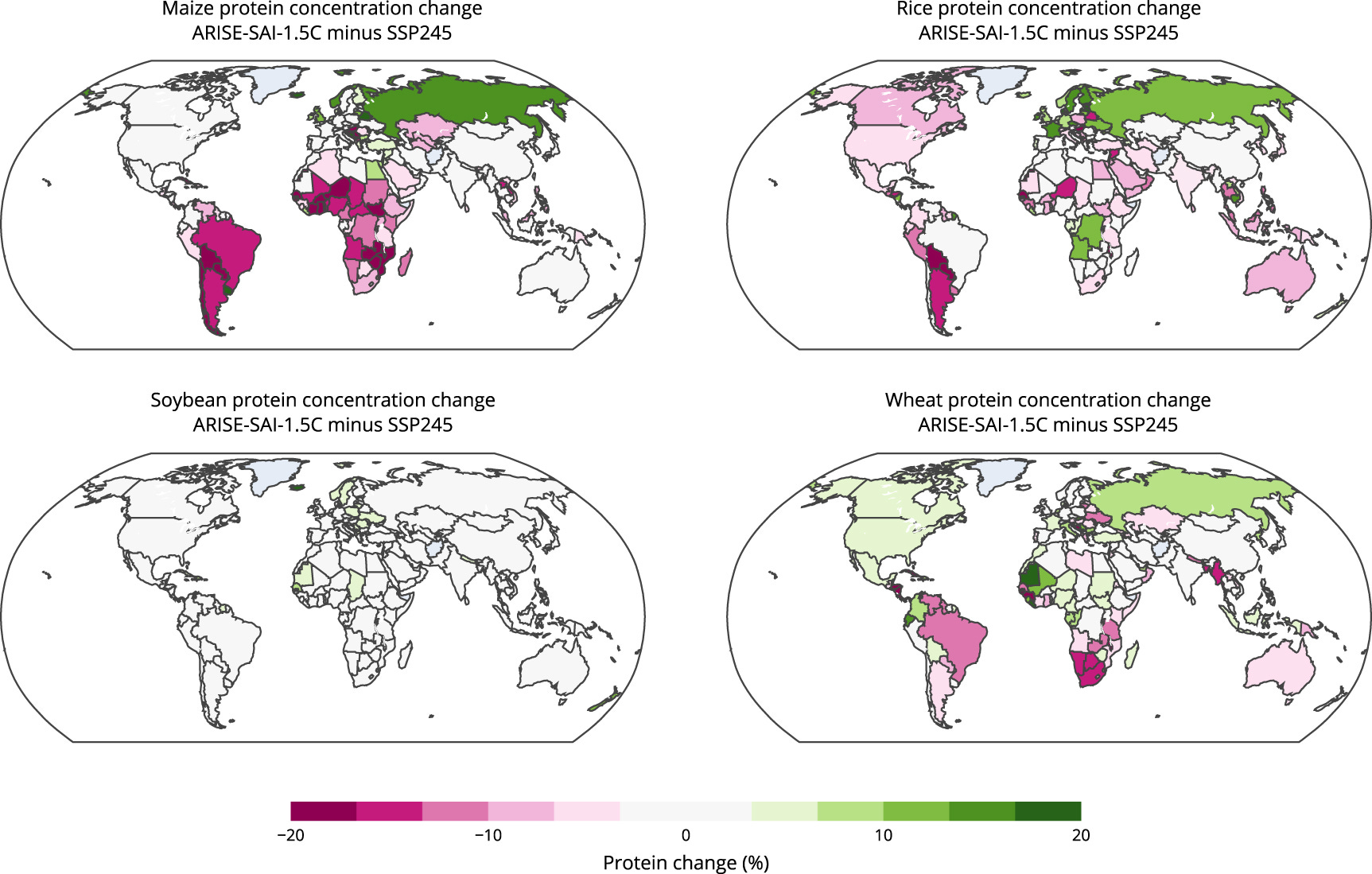
A study by Clark et al. reported that SAI could reduce protein content in key crops such as corn, rice, wheat, and soy. Elevated CO₂ lowers crop protein, while higher temperatures normally increase it, partially offsetting this effect. SAI’s cooling blocks this temperature-driven offset, causing larger protein declines, especially in regions already facing malnutrition.
Another study by Morrison et al. found that luxury crops like wine grapes, coffee, and cacao are unlikely to benefit reliably from SAI. While it cools surface temperatures, SAI cannot stabilize the erratic rainfall and humidity essential for yields, benefiting only a few regions and leaving most producers exposed to volatile harvests and economic risk.
The Degrees Initiative Expands SRM Research Network and Celebrates 50+ Publications Milestone
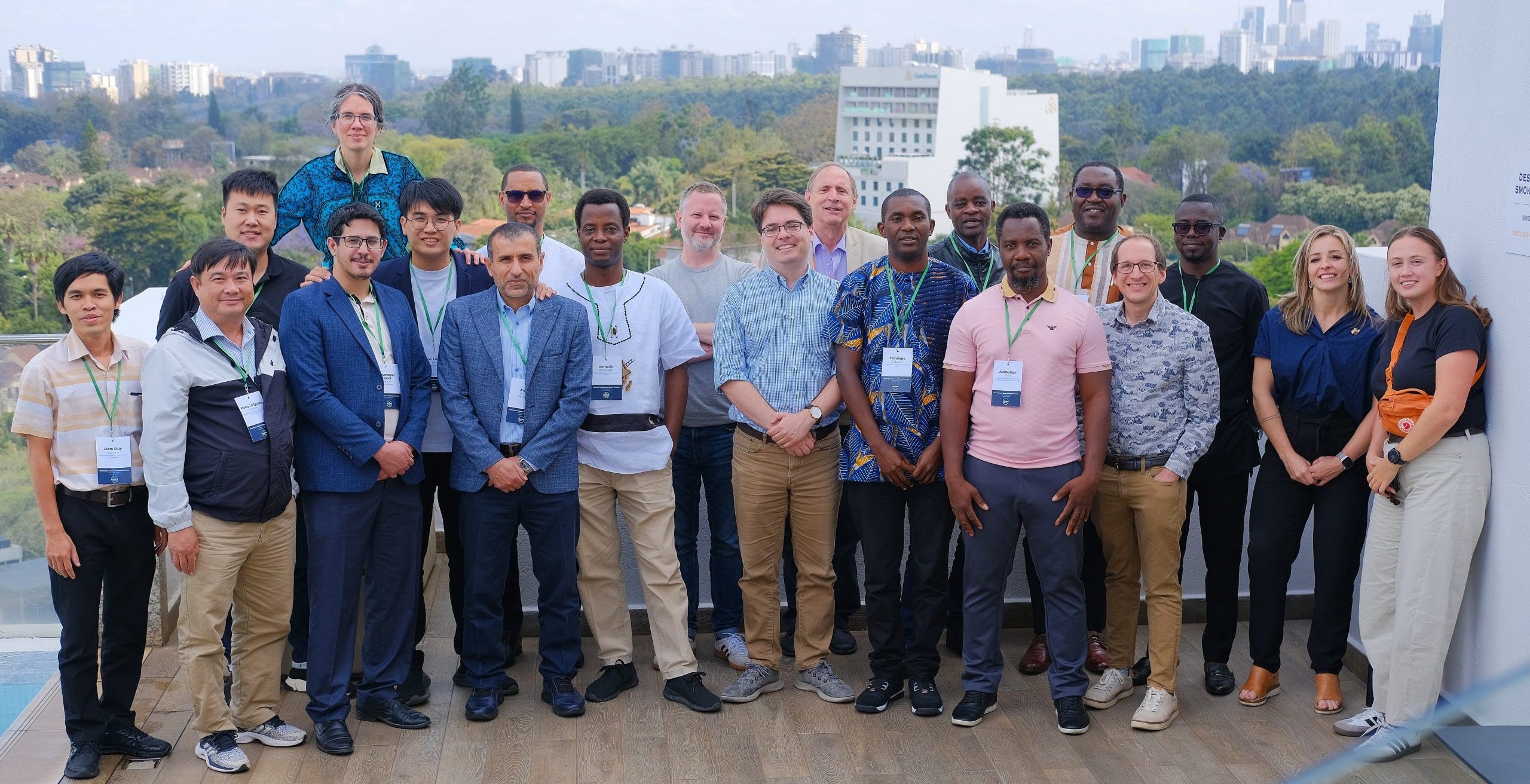
The Degrees Initiative has funded four new SRM research teams in Cabo Verde, Jordan, Morocco and the Republic of the Congo, bringing its support network to 27 countries. The new teams begin work in January 2026, marking the first SRM studies in those nations. Furthermore, The Initiative also reached the milestone of over 50 peer-reviewed publications from its supported research teams in the Global South, and is currently hiring a Volunteer Trustee with financial expertise (deadline: 05 February 2026) and a Policy Engagement Manager, Africa (deadline: 02 January 2026).
Tucker Carlson Amplifies Chemtrail Conspiracy Claims
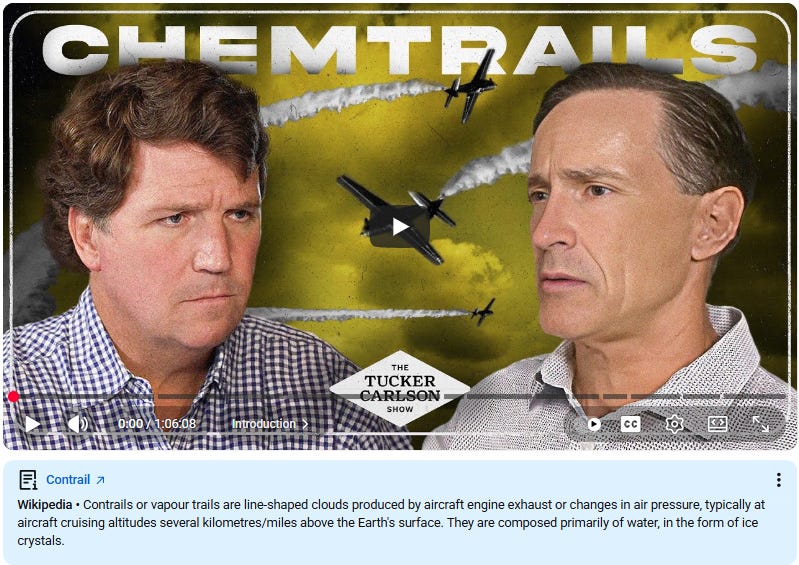
The former Fox News host Tucker Carlson, whose podcast draws over a million viewers per episode, revived the long-debunked “chemtrails” conspiracy on his show by interviewing Dane Wigington, a prominent critic of “geoengineering.” While the segment has been widely debunked and mocked across major outlets, it highlights a renewed surge in chemtrail conspiracism, as the YouTube interview surpassed one million views and Carlson’s X post featuring a clip from the episode drew roughly eight million views.
Are European Publics Uninformed about Solar Radiation Management?
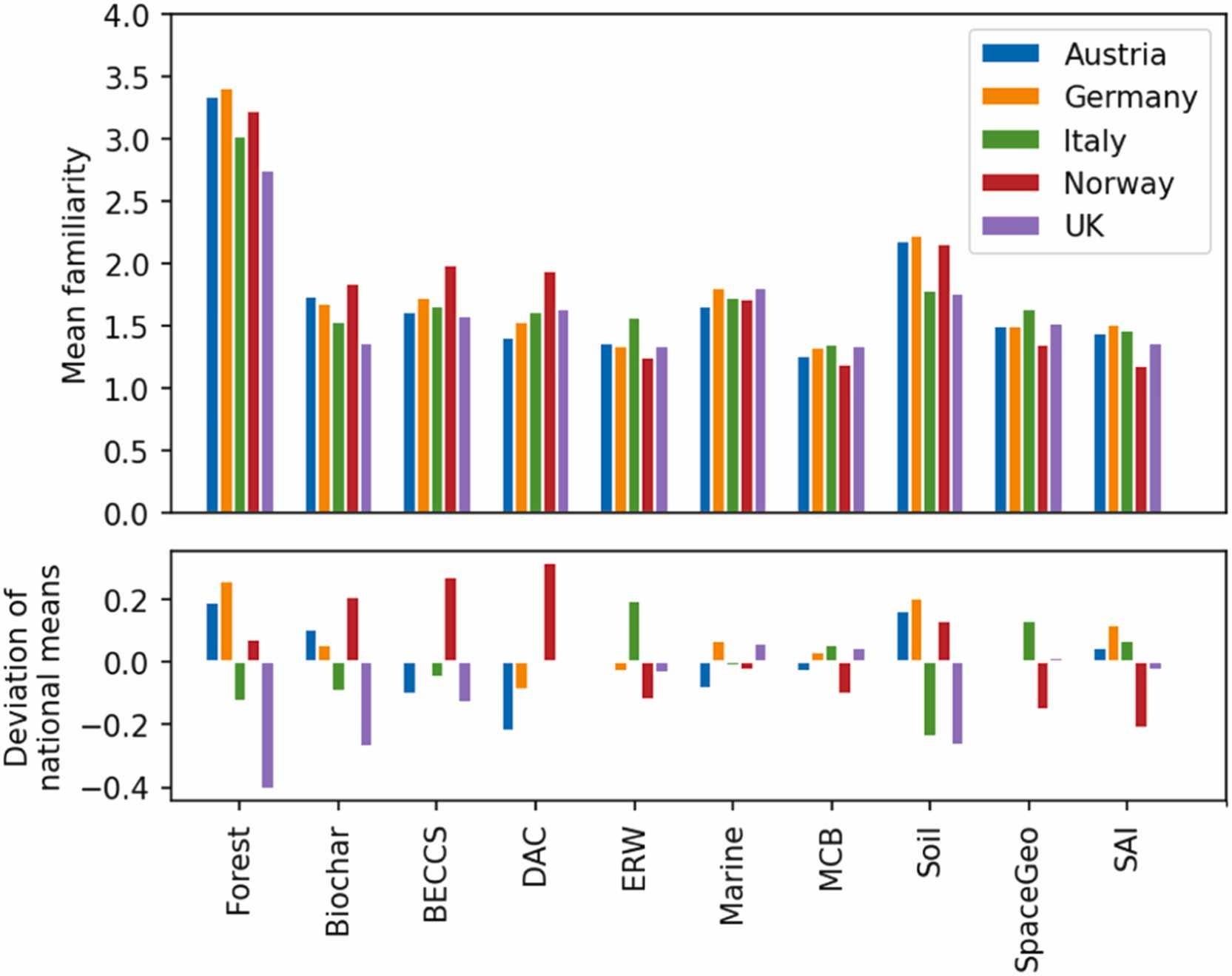
A new survey across Austria, Germany, Italy, Norway, and the UK finds low awareness and cautious attitudes toward SRM. Among 5,000+ respondents, a large majority had never heard of techniques like SAI, MCB or space-based geoengineering. SRM also received the weakest public support. Most respondents did not favor deployment, but they also did not support outright bans. Instead, they preferred an approach centered on public information, expert guidance and strong international oversight before any decisions are made. Moreover, Germany and Austria were the most skeptical, stressing risks, unequal impacts and concerns that SRM could undermine emissions cuts. Italy and the UK commonly viewed SRM as speculative or “science-fiction-like.” Norway showed slightly higher openness, though still paired with concern about side effects.
Response of Tipping Elements to Different Strategies of Stratospheric Aerosol Injection
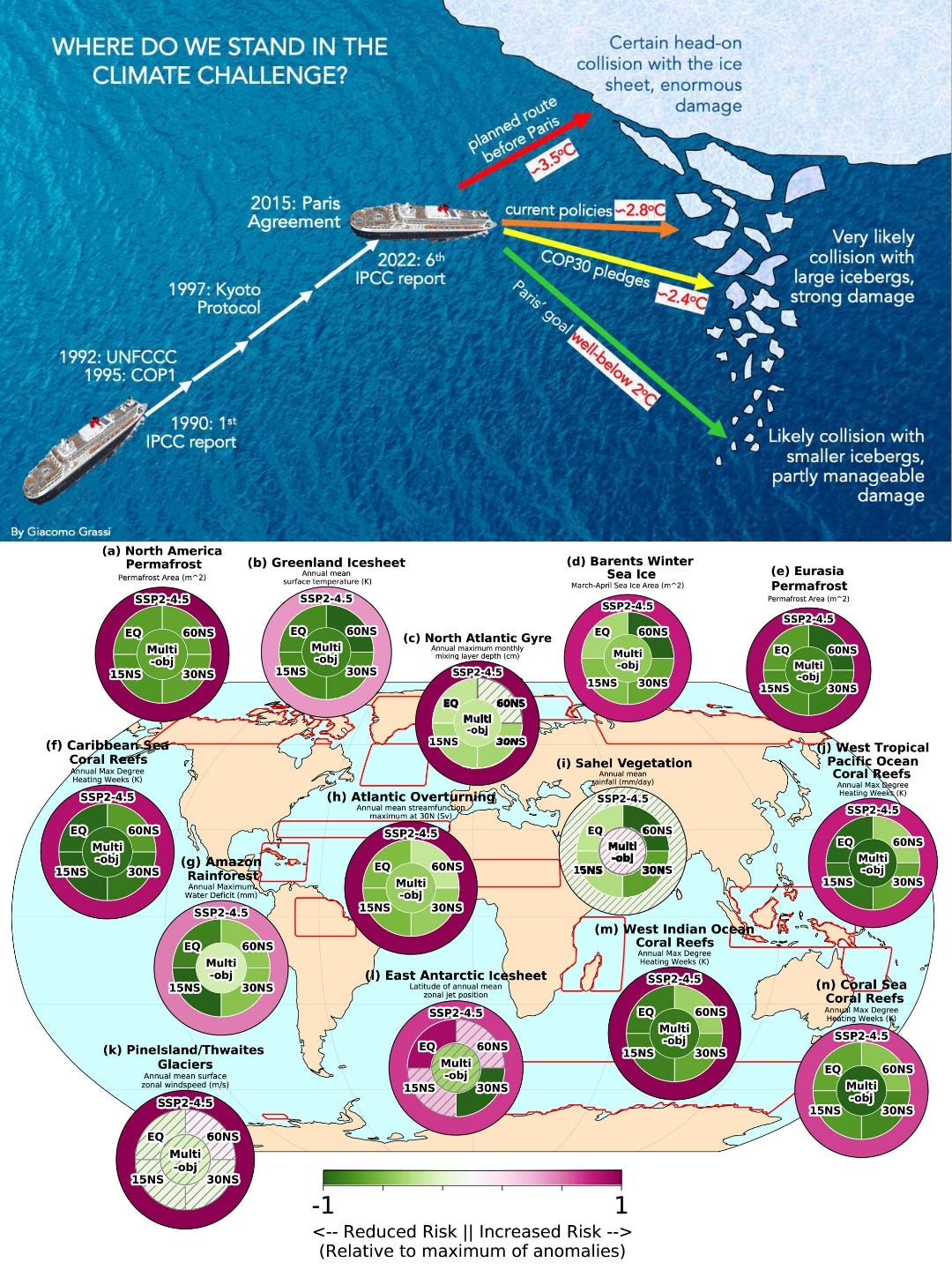
Zhao et al. published a modeling study examining how different SAI strategies influence climate tipping elements. Using CESM2 simulations, the research evaluates the risk-reduction potential of SAI deployed at different latitudes and targeting various temperature stabilization goals. The study find that while SAI generally reduces risk for many tipping elements like the Greenland ice sheet and coral reefs, its impact is highly strategy-dependent; for instance, polar injection is most effective for northern cryosphere-related elements, while low-latitude injection benefits the Amazon rainforest and coral reefs. Crucially, SAI cannot fully restore systems like the AMOC, and some strategies may increase risks for elements such as the Antarctic ice sheet or Sahel vegetation, underscoring the necessity of careful consideration of trade-offs when designing SAI deployment plans.
UK “Not in Favor” of SRM Deployment Technology
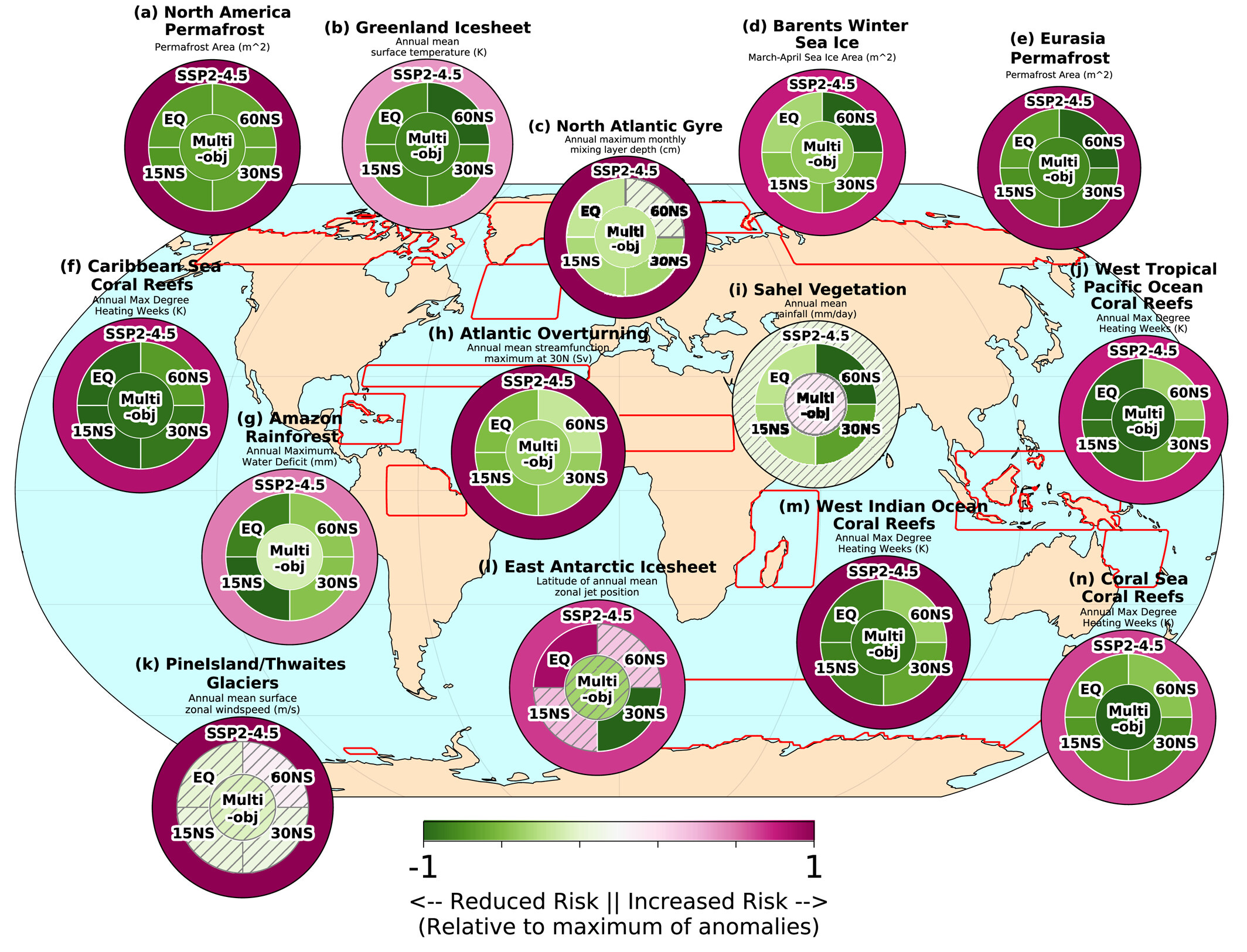
The UK government has reiterated its opposition to deploying solar radiation modification, citing uncertainties around potential climate and environmental risks. Leader of the House of Commons Alan Campbell told Parliament that the UK is “not in favor of solar radiation modification,” emphasizing that the priority remains cutting greenhouse gas emissions and adapting to climate change. However, it is willing to participate in a debate on the regulation of this technology and is actively funding related research to better understand the technology and its impacts.
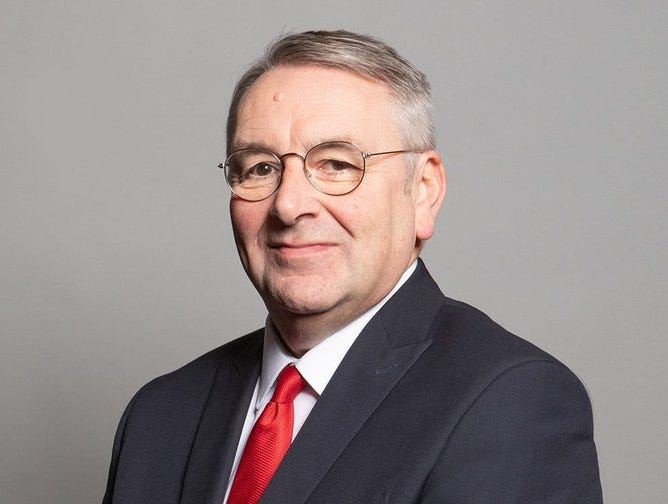
For a full recap of last month’s updates, check out our weekly summaries: WEEK 1 | WEEK 2 | WEEK 3 | WEEK 4
And here’s a overview:
RESEARCH PAPERS & THESES
Reflections on COVID-19 Adaptive Responses: Lessons for Solar Geoengineering Engagement as a Climate Intervention Strategy | Authors: Hosea Olayiwola Patrick
COVID-19 responses highlight that effective solar geoengineering requires stakeholder alignment, ethical safeguards, and robust governance.
Impact of SRM on Temperature Changes from Sinabung Eruption in Karo Regency | Authors: Sorja Koesuma, Friska Ayu Sakhina, Rahmat Gernowo
SRM moderates warming near Mount Sinabung, but high emissions still push temperatures above 2 °C despite intervention.
Impacts of SAI on precipitation and winds associated with extratropical cyclones in the Southern Hemisphere | Authors: João Gabriel Martins Ribeiro, Michelle Simões Reboita, et al.
Study finds that SAI generally weakens Southern Hemisphere extratropical-cyclone precipitation and winds, helping offset warming-driven intensification despite regional and scenario variability.
SAI Does Not Cause Stronger Asian Monsoon Drying Than Greenhouse Gas Mitigation | Authors: Chao He, Yifeng Peng and Pengfei Yu
SAI reduces Asian monsoon rainfall in line with cooling-driven moisture loss, with no additional drying beyond what equivalent GMST reduction would cause.
Analysis of Space-Based Infrared Shielding as the Solar Radiation Protections for Global Warming Mitigations | Authors: Kyung Bae Jang, Tae Ho Woo
This study uses system-dynamics modeling to show that solar radiation shielding can modestly cool the planet, with effectiveness strongly dependent on shield placement and orientation.
Spaces of anthropogenic CO2 emissions compatible with climate boundaries | Authors: Thomas Bossy, Philippe Ciais, Katsumasa Tanaka, et al.
Meeting all climate boundaries requires combined CO₂ mitigation, removal, and careful SRM planning, as trade-offs limit the likelihood of staying below 2 °C, study suggests.
Reduced aerosol pollution diminished cloud reflectivity over the North Atlantic and Northeast Pacific | Authors: Knut von Salzen, Ayodeji Akingunola, Jason N. S. Cole, et al.
Declining marine cloud reflectivity, driven mainly by reduced aerosols, has increased ocean heat uptake and is underestimated by most models, highlighting a need to revise near-term climate projections.
Before We Inject: Assessing the Impact of Silica-Based Aerosols on Stratospheric Chemistry via a Kinetic Model Informed by Molecular Dynamics | Authors: Dennis Lima, Saif Al-Kuwari, Ivan Gladich
Silica aerosols in SAI have minimal ozone impact, as HCl–ClONO₂ reactions are negligible despite a barrierless Cl₂ pathway, though experimental confirmation is needed.
Detectable ship tracks account for just 5% of aerosol indirect forcing from ship emissions | Authors: Tianle Yuan, Hua Song, Lili F. Boss et al.
Visible ship-tracks account for only ~5% of ship-emission climate forcing, with most aerosols unobserved, clarifying discrepancies in marine cloud brightening estimates.
How do the Australian public perceive the risks and benefits of novel restoration and adaptation interventions on coral reefs? | Authors: Csilla Demeter, Henry A. Bartelet, Stewart Lockie, et al.
Australians view reef interventions as beneficial, but ethical concerns and risk perceptions vary, highlighting the need for education and engagement.
Solar geoengineering, delay, and addiction | Authors: Britta Clark
Solar geoengineering risks creating policy “addiction,” potentially slowing emissions cuts despite claims it won’t delay mitigation.
A computationally efficient method to model similar and alternate SAI experiments using prescribed aerosols in a lower-complexity version of the same model: a case study using CESM(CAM) & CESM(WACCM) | Authors: Jasper de Jong, Daniel Pflüger, Simone Lingbeek, et al.
The study shows how CAM can reproduce WACCM’s SAI responses using a derived forcing pattern, enabling flexible SAI scenarios at a fraction of the computational expense.
Confronting a “silent killer:” reducing vulnerability to extreme heat in urban West Africa with surface cooling technology and climate-resilient roofing | Authors: Benjamin K. Sovacool
Reflective materials in Freetown’s SRTM project rapidly reduce urban heat, offering low-risk relief for vulnerable communities with limited cooling access.
Cloud fraction response to aerosol driven by nighttime processes | Authors: Geoffrey Pugsley, Edward Gryspeerdt, and Vishnu Nair
Aerosols mainly impact stratocumulus clouds at night, suppressing precipitation and influencing next-day cloud cover, highlighting the need for nighttime observations in MCB assessments.
Social attitudes towards climate interventions: Are European publics uninformed about carbon removal and solar radiation management? | Authors: Benjamin K. Sovacool, Livia Fritz, Chad M. Baum, et al.
European public views on carbon removal and SRM are diverse, requiring inclusive engagement for socially acceptable climate interventions.
Potential impacts of climate interventions on marine ecosystems - Preprint | Authors: Kelsey E Roberts, Tyler Rohr, Morgan R Raven, et al.
Marine CDR and SRM could mitigate warming impacts but risk disrupting ecosystems, with effects varying by method, scale, and region.
Strong Light Absorption by sp2 Hybridized Carbon Impurities in Diamond Dust - Preprint | Authors: Joshin Kumar, Gwan-Yeong Jung, Taveen S. Kapoor, et al.
Sp² carbon impurities in diamond dust could reduce scattering and increase absorption, challenging its suitability for SAI.
Climate Intervention through SAI may partially mitigate marine heatwaves - Preprint | Authors: Lala Kounta, Lifeng Luo, Gouri Anil, et al.
SAI can reduce marine heatwave intensity and duration in much of the ocean, but some regions, like the North Atlantic and Tropical Pacific, may still worsen.
Assessing combinations of regional MCB designed to target multiple climate response objectives - Preprint | Authors: Alex M. Mason, Matthew Henry, Haruki Hirasawa, et al.
Optimized regional MCB, especially at high latitudes, can restore 2040s climate toward baseline, improving sea ice and balancing temperature and precipitation impacts.
Marine Cloud Brightening of Cumulus Clouds: From the Sprayer to the Cloud - Preprint | Authors: Johannes Kainz, Daniel Patrick Harrison, et al.
Surface-level aerosol sprayers maximize MCB effectiveness in trade-wind cumulus by enhancing boundary-layer dispersion and cloud droplet formation.
The early history of Marine Cloud Brightening (MCB); the legacy of John Latham and Stephen Salter - Preprint | Authors: Alan Gadian
MCB evolved from a 1990 microphysics concept to a full climate-cooling strategy by 2015, pioneered by Latham and Salter and further advanced in projects like UK ARIA.
G6-1.5K-MCB: MCB Scenario design for the GeoMIP in CESM2.1, E3SMv2.0, and UKESM1.1 - Preprint | Authors: Haruki Hirasawa, Matthew Henry, Philip J. Rasch, et al.
The G6-1.5K-MCB protocol shows midlatitude sea-salt injections can offset warming and stabilize temperatures, providing a basis for future MCB model comparisons.
The global climate response to High-Latitude Low-Altitude Stratospheric Aerosol Injection (HiLLA-SAI) - Preprint | Authors: Alistair Duffey, Walker Lee, Lauren Wheeler, et al.
HiLLA-SAI could provide substantial polar-focused cooling using existing aircraft, offering a feasible early-stage SAI deployment option.
Time Left to Critical Feedback/Loops: Annual Solar Geoengineering-PLUS, Pathways Towards Planetary Self-Cooling - Preprint | Authors: Alec Feinberg
Rising climate feedbacks may require full-scale SRM by 2100, with ASG+ approaches proposed to slow feedbacks and extend mitigation options.
G6-1.5K-SAI and G6sulfur: changes in impacts and uncertainty depending on SAI strategy in the GeoMIP - Preprint | Authors: Walker Raymond Lee, Daniele Visioni, Benjamin Moore Wagman, et al.
G6-1.5K-SAI can cap warming near 1.5 °C, cooling land more than oceans and moderating precipitation, with model differences in required SO₂ and regional effects.
Impacts of SAI on Renewable Energy Systems - Preprint | Authors: Sebastian Kebrich, Luisa Kamp, Jochen Linßen, et al.
SAI for 2 °C cooling slightly reduces PV output, but flexible renewable systems can absorb these losses with minimal capacity changes.
Climate Governance State of Art: A Snapshot on Current Discussions on SRM - Conference Paper | Authors: Yvette Ramos
International Space Weather Initiative data can inform and monitor SRM deployment, enhancing climate governance and responsible oversight.
Reply to Comment by Strawa et al. (2025) on Webster and Warren (2022): “Regional Geoengineering Using Tiny Glass Bubbles Would Accelerate the Loss of Arctic Sea Ice” | Authors: Stephen G. Warren, Melinda A. Webster
Arctic glass-powder geoengineering brightens thin ice but underperforms in field tests, revealing uncertainties in reflective-surface interventions.
JOB OPPORTUNITIES
“In this project, researchers will explore cirrus cloud thinning to curb warming, but uncertain ice-nucleating processes and political challenges highlight risks, prompting studies that blend lab science with policy analysis to guide geoengineering decisions.
Associate Director, Administration, CSEi at University of Chicago
“CSEi unites global experts across sciences, engineering, and policy to advance carbon removal, solar geoengineering, and glacier preservation, tackling climate harms through research, ethics, and collaborative solutions.”
Volunteer Trustee with financial expertise at The Degrees Initiative | Remote
“The Degrees Initiative is a UK-based NGO that builds the capacity of developing countries to evaluate SRM.”
External Affairs Lead at Reflective | Remote, San Francisco, California, United States
“Reflective is a philanthropically-funded initiative to develop the necessary knowledge base on SRM and do the requisite technology research and development, urgently and responsibly.”
Lead Scientist – MEER China Programme | China
“MEER is a non-profit research and development organisation dedicated to addressing Earth’s energy imbalance through surface-based climate adaptation and mitigation technologies.”
Director, Research Development at Climate Systems Engineering initiative, University of Chicago
“CSEi unites global experts across sciences, engineering, and policy to advance carbon removal, solar geoengineering, and glacier preservation, tackling climate harms through research, ethics, and collaborative solutions.”
WEB POSTS
The Atlantic – The Real Fight Over Geoengineering Is Beginning - Who’s Ready to Think About Blocking Out the Sun?
The Degrees Initiative - Four new countries begin SRM research through Degrees’ funding
Trail Guide to a Gigaton - The only correct way to save the world
The New Yorker – A Startup’s Bid to Dim the Sun
Inevitable & Obvious – Carbon Removal Won’t Scale Fast Enough
Riffing on Solutions – We need to talk about the G-word
Nuffield Council on Bioethics – Embedding Ethics in Solar Radiation Modification Research and Development Agendas
E&E News by Politico – The strange and totally real plot to blot out the sun and reverse global warming
Quebec Science – The environmentalist who changes course
Medium – Cooling the Earth to Keep Carbon in the Ground
Bloomberg – Dimming the Sun Is a Terrifying New Industry
The ARC – Systemic Climate Risks are Underpriced and Under researched
SRM360 – Spotlighting the Amazon Could Clarify SRM Research and Governance Questions
SRM360 – Can Plan C Pick Up Where An Inconvenient Truth Left Off?
Climate Playbook - Cooling the Planet: The New Race to Reflect the Sun
Genetic Literacy Project - With global temperatures rising, it’s time to take a fresh look at geoengineering — is it feasible and affordable?
Legal Planet - Should private firms be involved in cooling the planet?
Business Day - COP30: CSOs, indigenous groups warn against rising threat of geoengineering
These Times - The Overshoot Presidency and the State of Climate Politics
Huff Post - Critics Rip Tucker Carlson’s Latest Conspiracy Talk: ‘Insulting To Even Basic Intelligence’
WEF - 5 prominent geoengineering ideas — and why they will not save the poles
Earth.com - First images from Sentinel-4 reveal air pollution hotspots around the world
E&E News by Politico - Documentary explores sci-fi world of geoengineering
Thermopolis - Lawmakers advance ‘geoengineering’ ban following concerns of harmful ‘chemtrails’
Persuasion - COP Can’t Cope With Climate Risks
Business Day - COP30: Climate justice movements reject geoengineering, relaunch manifesto in Belém
The Conversation - Why the chemtrail conspiracy theory lingers and grows – and why Tucker Carlson is talking about it
Undark - National Political Scrutiny of Cloud Seeding Looms Over Utah
MIT Technology Review - Why the for-profit race into solar geoengineering is bad for science and public trust
Interesting Engineering - Elon Musk proposes AI satellite shield to fight climate change by dimming the Sun
Carnegie Endowment for Int’l Peace - Bipartisan Backlash Against Geoengineering and Carbon Removal in the United States
Security In a Warming World! - The $60 Million Solar Geoengineering Bet
Politico Pro - Geoengineering startup has been secretly lobbying Congress for months
The Guardian - Solar geoengineering in wrong hands could wreak climate havoc, scientists warn
WeathEire - Fewer aerosols, faster warming, study warns
Graphic Online - Dr. Kwesi Quagraine warns: ‘Africa must be at the table in climate engineering decisions’
Newsroom - Climate Intervention Techniques Could Reduce the Nutritional Value of Crops, New Study Finds
The Times - Six radical ways we could cool the planet
E&E News - UK science academy sees promise in solar geoengineering — but not as sole climate fix
Oceanographic Magazine - Why are polar experts taking a stand against geo-engineering?
NERC - Policy Brief: Safeguarding the polar regions from dangerous geoengineering
Georgetown University - Governing India’s Geoengineering Attempts: An ISD International Negotiation Simulation
The Palm Beach Post - ‘Chemtrail’ crackdown: Florida law has PBIA seeking evidence of weather conspiracy
Zero Geoengineering - Pennsylvania Senator Calls on Trump Administration to Defund SRM Programs
Happy Medium - Turning Back The Planet’s Clock
Axios - Where Bill Gates draws the line on dimming the sun
Neil Hacker - There is no outside anymore
The ARC: Thoughts on a Safe Climate Future - The Climate Dashboard: Seeing the Whole System
Inevitable & Obvious - What’s the Difference Between Adaptation and Geoengineering?
SRM360 - When SRM Meets MAGA – Conspiracies, Politics, and Potential Profits
The Invading Sea - Reluctance to abandon fossil fuels has turned tech into a last resort
The Degrees Initiative - Researchers and policymakers team up in Bogotá to unpack the challenges of SRM
Associated Press of Pakistan - Experts urge Pakistan to declare climate change a National Health Emergency, call for SRM integration to protect million
The Telegraph - Dimming the Sun to fight climate change is bad for planet, ministers fear
Politico - UK ‘not in favor’ of dimming the sun
DSG - Debates on Governing Solar Geoengineering Research
Quebec Science - The environmentalist who changes course
CDRA NET - Geoengineering’s image problem
Sustainability Magazine - Why Do Stardust & the UK Disagree on Sun Dimming Technology?
UPCOMING EVENTS
04 December | Online - Live Discussion: Are emissions cuts on track to avoid catastrophic impacts? by SRM360
09 December | Online - What is Global Cooling? by Sebastian Manhart
11 December - University of Chicago | Engineering and logistical concerns add practical limitations to stratospheric aerosol injection strategies by CSEi
15-19 December | New Orleans, Louisiana - 2025 American Geophysical Union Meeting
9-13 March 2026 | Kyoto, Japan - CMIP Community Workshop (CMIP26)
21-26 June 2026 | United States - Gordon Research Conference - Bridging Observations, Models, and Impacts in Solar Radiation Modification Research
Add our Solar Geoengineering Events Calendar to your default calendar in 2 ways:
Head to this link: https://teamup.com/ks64mmvtit583eitxx
Sync specific event: Click the event → menu (≡) → Share → choose your calendar → Save.
Or sync all events: Menu (≡) → Preferences → iCalendar Feeds → Copy URL → Add to your calendar settings → Subscribe.

PODCASTS
The Sunlight Managers w/ Sofia Menemenlis | Politics Theory Other
“Sofia Menemenlis joins PTO to chat about her recent article in The Breakdown on the concept and history of solar geoengineering - or “solar radiation management” as it has become known. We talked about how the implementation of SRM is imagined, what the potentially catastrophic side effects of such a project might be, and who the key players are in terms of research and potential deployment of the technology.”
“Claudia Wieners and Julienne Stroeve tell us about the pros and cons of genengineering.”
Distributing solid aerosols - Hack | Reviewer 2 does geoengineering
“Miranda Hack provides an in-depth look at the often-overlooked engineering and logistical barriers to large-scale deployment of solid particles for stratospheric aerosol injection (SAI). She explains how dispersing sub-micron mineral particles at altitude, including challenges like agglomeration, complex nozzle flows, and supply-chain constraints, introduces significant uncertainties and costs. These challenges may reduce cooling efficiency and narrow the design space for “low-risk” SAI strategies, suggesting that solid aerosols could be far less viable than existing models assume.
Paper: Hack, M., McNeill, V. F., Steingart, D., & Wagner, G. (2025). Engineering and logistical concerns add practical limitations to stratospheric aerosol injection strategies. Scientific Reports, 15(1), 34635. https://doi.org/10.1038/s41598-025-20447-2”
Nature vs. Unnature: Public Perception of Solar Geoengineering, with Kaitlin Raimi | Resources Radio
“In this week’s episode, host Kristin Hayes talks with Kaitlin Raimi about public perceptions of solar geoengineering. Raimi, a social psychologist and associate professor at the University of Michigan, describes how only around 15 or 25 percent of people know what solar geoengineering is, and those who are aware tend to be wary of the concept. She discusses techniques to inform the public about the benefits and pitfalls of solar engineering, avoid political polarization, and prevent solar geoengineering from being seen as the only solution needed to tackle climate change.”
“Launch of The Best Australian Science Writing 2025 and the Bragg Prize for Science Writing
* Climate intervention becoming increasingly urgent
* 2025 Prime Minister’s Prize for Excellence in Science Teaching in Primary Schools”
Could Geoengineering Delay Climate Change? With Daniele Visioni | Scales of Success Podcast
“What if one idea could shift the world’s climate future? In this eye-opening episode, Marcus sits down with Daniele Visioni to uncover the surprising science shaping the planet’s temperature and the cutting-edge climate tools most people have never heard of. Clear, bold, and packed with powerful insight, this conversation opens the door to possibilities that could change how we think about risk, responsibility, and the future we’re building.”
YOUTUBE VIDEOS
“Daniel Bodansky, Regents’ Professor of Law at the Sandra Day O’Connor College of Law at Arizona State University, presents as part of Salata’s Solar Geoengineering Research Seminar series.”
What’s Up with COP30 | Climate Emergency Forum
“In this candid forum, our panelists explore the lack of democratic participation in COP processes, the dominance of special interests, and the rising tide of climate impacts worldwide. Personal experiences from recent conferences highlight both the logistical hurdles and the morale-boosting power of these global gatherings. The conversation addresses not only the political and financial roadblocks to climate action but also raises vital questions about the future of these conferences, the role of technology in fostering global participation, and the urgent need for innovative solutions—such as large-scale carbon removal and advanced cooling techniques.”
“The Healthy Planet Action Coalition (HPAC) brought together scientists, policymakers, and concerned citizens for a global online conference to build awareness about why temperatures are accelerating, and what this means for humanity. We sought to create momentum for a more comprehensive global action plan to address the new realities that we are facing before it’s too late.
We are nearly out of time to avert 2°C. But, there are tools in the toolbox that can buy more time to successfully stop global heating in the short term, while we strive to bring down emissions in the medium to long term.”
SRM research in Morocco: Assessing temperature and rainfall extremes | The Degrees Initiative
“Researchers in Morocco, Cabo Verde, Jordan and the Republic of the Congo have been awarded Degrees Initiative funding, embarking on their countries’ first studies on solar radiation modification (SRM).
In this short video, we meet the new Morocco team as they begin examining how SRM could influence rainfall and temperature extremes across North Africa. Led by Dr Victor Ongoma of Mohammed VI Polytechnic University, the project addresses a critical regional challenge:
-North Africa is warming at twice the global rate, placing pressure on communities that rely heavily on climate-sensitive sectors such as rain-fed agriculture.
-The team reflects on the limits of adaptation, the urgency of understanding SRM’s potential impacts, and the importance of African-led research in shaping future climate decisions.”
SRM research in Jordan: Climate impacts on agriculture and water scarcity | The Degrees Initiative
“Researchers in Jordan, Cabo Verde, Morocco and the Republic of the Congo have been awarded Degrees Initiative funding, embarking on their countries’ first studies on solar radiation modification (SRM).
In this short video, we meet the new Jordan team as they begin investigating how SRM could influence crop productivity in one of the world’s most water-scarce regions. Led by Prof. Jawad Al-Bakri from the University of Jordan, the project examines how SRM could interact with existing agricultural adaptation strategies under extreme arid conditions.
The team reflects on why locally grounded research is essential, how water scarcity shapes Jordan’s vulnerability, and why understanding the full picture of climate impacts matters for future food and water security.”
“Researchers in the Republic of the Congo, Cabo Verde, Jordan and Morocco have been awarded Degrees Initiative funding, embarking on their countries’ first studies on solar radiation modification (SRM).
In this short video, we meet the new team from the Republic of the Congo as they begin exploring how SRM and global warming could shape the Congolese Upwelling System, an essential source of nutrients for coastal fisheries and a foundation of local food security. Led by Roy Dorgeless Ngakala, the project will assess how regional coastal ecosystem health could change under different climate and SRM scenarios.
The team reflects on why understanding these shifts is vital for fisheries and future climate planning, and how locally led research can better inform scientists and policymakers across the Gulf of Guinea.”
SRM research in Cabo Verde: Understanding extreme weather risks | The Degrees Initiative
“Researchers in Cabo Verde, Jordan, Morocco and the Republic of the Congo have been awarded Degrees Initiative funding, embarking on their countries’ first studies on solar radiation modification (SRM).
In this short video, we meet the new Cabo Verde team as they prepare to explore how SRM could influence extreme weather on Santiago Island. Led by Dr Patrik Pina da Silva from the University of Cape Verde, the project will examine how changes in precipitation and temperature could affect a small island nation already facing rising heat, shifting rainfall patterns and increasing drought.
The team reflects on why locally led research matters, how Cabo Verde’s unique climate systems shape vulnerability, and why building knowledge is essential for informed decision-making.”
Human Solar Dimming Efforts And Geoengineering - 11.3.25 PRE Education Meeting | Brendan Moore, PhD
“This webinar video is of Richard Troy, Chief Scientist of Science Tools Corp., covering an excerpt from a 33-page scientific paper, “Evaluation of Plausible Choices for Human Solar Dimming Efforts,” which rigorously examines the concept of SRM as a temporary climate change solution. The author, Richard Troy, argues that while SRM, involving the intentional insertion of aerosols into the atmosphere to dim the sun, is a “terrible idea,” it may be necessary given the inadequate global response to warming. The core of the paper is a detailed ranking and analysis of fifteen plausible aerosol candidates, such as calcium carbonate, crushed basalt, and silica, evaluating their effectiveness, environmental impacts (like acid rain or toxicity), and lofting challenges. Crucially, the paper insists that any dimming effort must be paired with aggressive global decarbonization and carbon removal to be anything more than a short-term failure, noting that SRM will inevitably reduce the efficiency of solar and wind power generation, creating a complex moral and strategic dilemma for energy systems.”
Albedo Accord: A Practicke Tool to Cool the Planet | Robbie Tulip
“To plant a tree, the best time was twenty years ago. The next best time is today. The same applies to the need to restore our planetary sunlight reflection. We should have begun to slow the darkening of the Earth many years ago.”
The Science and Politics of Geoengineering with Ted Parson | Nate Hagens
“In this episode, Nate interviews Professor Ted Parson about solar geoengineering (specifically stratospheric aerosol injection) as a potential response to severe climate risks. They explore why humanity may need to consider deliberately cooling Earth by spraying reflective particles in the upper atmosphere, how the technology would work, as well as the risks and enormous governance challenges involved. Ted emphasizes the importance of having these difficult conversations now, so that we’re prepared for the wide range of climate possibilities in the future.
How does stratospheric aerosol injection actually work? What is the likelihood that a major nation (or rogue billionaire) might employ this approach in the next thirty years? What ethical, moral, and biophysical concerns should we consider as we weigh the costs and benefits of further altering Earth’s planetary balance?”
“David Keith provides an overview of sunlight reflection methods (SRM), the history of SRM, and why stratospheric aerosols like sulfur are central to climate systems engineering approaches.”
“Dr Kanishk Gohil (NCAR, USA): “Warm Cloud Microphysics: Climate Impacts and Implications for Marine Cloud Brightening”
Dr Jake Gristey (NOAA, USA): “Changes in Cloud Brightness Caused By Stratospheric Aerosol Injection.”
“The sun is the most important energy source for life on Earth and also the driving force behind the global climate. At the same time, greenhouse gas emissions continue to rise, and the consequences of climate change are becoming noticeable. Can we stop global warming? Solar geoengineering aims to reflect some of the sun’s radiation back into space, thereby cooling the Earth. However, the idea is controversial. It offers no solution to climate change but could mitigate its effects in the short term. How does solar geoengineering work? What ethical and environmental risks are associated with its use, and what role does global justice play?”
ATLAS25 - So what’s the plan? | Operaatio Arktis
“ATLAS25 was organised to bridge scientific understanding on Earth System Tipping Points (ESTP) with strategic policy-making including approaches to climate intervention research.”
Discover Climate Repair: Discover the Possibilities | Centre for Climate Repair
COP30: Can Marine Cloud Brightening help the Great Barrier Reef? | Centre for Climate Repair
“Can Marine Cloud Brightening help the Great Barrier Reef? We explored this and more at today’s COP30 Brazil event with Daniel Harrison from Southern Cross University, Clara Botto from The Alliance for Just Deliberation on Solar Geoengineering (DSG), and Leonardo Valenzuela Pérez, PhD from Ocean Visions, moderated by Hugh Hunt from the Centre for Climate Repair, University of Cambridge.”
“Anna Tippett (Imperial College London, UK): “Evaluating simulations of ship tracks in a high resolution model.”
Dr Ali Akherati (Reflective, USA): “A web-based emulator for Stratospheric Aerosol Injection: Overview and Latest Updates”.”
Climate Crisis Toolbox: More Than Emission Cuts | Climate Emergency Forum
“This episode of the Climate Emergency Forum features a compelling discussion with Dr. Shaun Fitzgerald, Director of the Centre for Climate Repair at the University of Cambridge, joining live from COP30 in Belém, Brazil. Regular panelist Paul Beckwith and host Herb Simmens delve deep into the urgent need to look beyond simple emissions cuts as the core answer to the climate crisis. Shaun outlines the Centre’s ambitious research on greenhouse gas removal, including ocean-based carbon dioxide removal, direct air capture, methane oxidation, and innovative climate engineering projects like marine sky brightening and Arctic sea ice thickening.”
Saving the Planet with Geo-Engineering | planet:e | Full Documentary | Hazards and catastrophes
“The German Research Foundation’s special program has investigated a variety of methods. Prof. Andreas Oschlies is an oceanographer and climate model specialist at GEOMAR Helmholtz Centre for Ocean Research, Kiel. They are collecting data for better climate simulations. One idea is to reflect incoming solar radiation back into space in advance of causing global warming. The second idea is filtering out carbon dioxide, which is causing warming.
Which of these ideas is realistic, or can we actually save the planet? Or is it too late?”
Cloud Albedo Enhancement | Brendan Moore, PhD
“In this meeting, Paul Washington discusses the approach, costs, benefits, and pitfalls of aerosol seeding versus salt injection.”
Janos Pasztor | The Climate Diplomat Who Refuses to Give Up on Humanity | Christian Soschner
Dr. James E. Hansen - The truth about global warming, ATLAS25 | Operaatio Arktis
“James E. Hansen is an American climate scientist and former director of NASA’s Goddard Institute for Space Studies. In 2006, Hansen was named one of Time magazine’s 100 most influential people. Now Hansen works as Director of Climate Science in Columbia University.
In his keynote at ATLAS25 James Hansen is warning the audience of the dangerous feedback loops of Earth Systems Tipping Points (ESTP). Hansens research and statements have been a controversial talking point among the science community, the media and even some of IPCC lead authors. Hansens message is clear – We’re running out of time.”
Solar Geoengineering and Forcing 14X Greater than CO₂ | dfrsoft
“This video is an introduction to my paper “Solar Geoengineering & Solar Forcing 14 times Greater than CO2: Climate and Land Use Amplifications in GW Diagnostics. Using straightforward Earth energy-budget physics, this study finds that solar geoengineering (SG) or solar forcing ≈13.8 times more efficient (stronger in radiative forcing or mitigation) per Wm⁻² than carbon dioxide changes. The paper also include the urbanization GW effect about 13% as well diagnostics show the GHG AR6 forcing is about 39% to high.”
The Equity of Climate Intervention | Climate Emergency Forum
“This episode explores the dual challenge facing global climate action: not only are emission reductions and natural carbon sinks increasingly insufficient to stabilize our climate, but every potential solution must address core questions of justice and equity. The discussion focuses on large-scale climate interventions like solar radiation modification and marine cloud brightening, asking whether these emergency measures could prevent catastrophic warming—while emphasizing that those most affected by climate impacts are often the least responsible for them.”
The Global Heating Emergency: What’s the Plan? | Negative Emissions Platform
“This event will elucidate the current dramatic acceleration of global temperatures, discuss the expected impacts on humanity and planetary ecosystems, the prospective roles of CDR, emissions reductions, and sunlight reflection in averting 2 degrees, and the practical next steps for the global community to mobilize around a new, comprehensive climate plan.”
“Stardust is making very rapid progress on Solar Geoengineering (SRM - Solar Radiation Management, or Solar Radiation Methods, solar climate engineering, solar reflection technologies, etc...). They reportedly have 25 engineers/scientists and seed funding of $75 million.
They are working on a full SRM deployment system using a white reflective powder to be deployed in the stratosphere to cool the planet, and their timeline is over the next decade or so. Very significant and very fast.”
“In this episode Charlie explains the recent measurement of accelerating atmospheric CO2 concentrations in the atmosphere as well as the announcement that coral bleaching has passed a tipping point, while Clare delves into the world of solar radiation management at a recent conference she attended with James Hansen.”
“Possibly the best- known SRM method so far is Stratospheric Aerosol Injection (SAI), which would work by injecting a reflective aerosol (e.g. sulphate) or a precursor gas (e.g. SO2) into the stratosphere.”
European Public Attitudes Toward Climate Intervention Technologies | Remove and Reflect Podcast
“This episode covers an academic article that presents an analysis of European public opinion regarding two sets of climate interventions: Carbon Dioxide Removal (CDR) and Solar Radiation Management (SRM). Researchers employed a mixed-methods approach, synthesizing results from five nationally representative surveys and ten focus groups spanning Austria, Germany, Italy, Norway, and the United Kingdom. The study finds a significant knowledge gap, with publics expressing widespread lack of familiarity with most technologies, particularly SRM, although conventional, nature-based CDR methods are better recognized. Attitudes across the countries reflect a pervasive aversion to tampering with nature, often counterbalanced by general worry about climate change impacts. Furthermore, when considering governance, respondents place the highest degree of confidence in universities and scientific institutes to oversee these technologies, while displaying comparatively low trust in national governments and industry. The findings suggest that effective governance requires context-sensitive policies and robust public engagement, rather than standardized solutions.”
“Ramit leads the Cambridge Collective Intelligence and Design Group. With a background in electrical engineering and computational social sciences, he designs collective intelligence approaches to provide a data-driven, complex system-level understanding of barriers to climate action, their interactions, and how these translate to leverage points for policy and behavioural interventions at scale. At CCR, Ramit uses computational social sciences, ML and AI to better understand the public awareness of emerging climate engineering technologies.”
“Agenda
Robert T – Albedo accord
Ron B – Open letter advocating immediate testing and deployment of SAI and other near-term cooling methods.
Chris V – Royal soc update on SRM – related to above.
Chris/Ron – Stardust – Politico piece
Clive E – Diter Helm lessons on COP-30”
Dimming the Sun for Climate Change is Back on the Table | Crossroads with Joshua Philipp
“The practice known as solar geoengineering, which has been discussed, and even experimented with as a way to fight alleged climate change, is back on the table.”
Follow us on:
Twitter | Bluesky | LinkedIn | Substack | Google Group | Podcast 1 | Podcast 2
Support us here:
While all content on Solar Geoengineering Updates is free for everyone, We urge those who can to become paid subscribers. Your support empowers this important work and helps us spread the message far and wide.